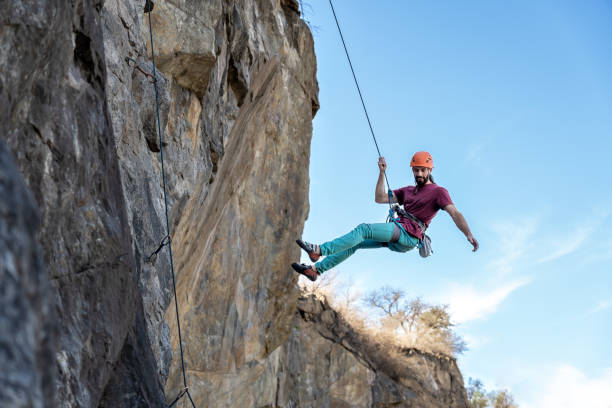

Rock climbing is a thrilling and dynamic sport that has captured the imagination of many. At its core, rock climbing involves ascending natural or artificial rock formations using a combination of physical strength, mental focus, and technical skill.
While indoor climbing gyms provide a convenient and accessible introduction to the sport, many climbers find themselves drawn to the exhilarating challenges of outdoor climbing.
Indoor climbing serves as an excellent starting point for beginners, offering controlled environments with predictable routes, padded floors, and readily available equipment. Climbers can practice and refine their techniques on artificial walls of varying difficulty levels, often under the guidance of experienced instructors. It’s a fantastic way to build strength, confidence, and camaraderie within the climbing community.
However, the transition from indoor to outdoor climbing marks a significant shift in experience and perspective. Outdoor climbing ventures into the realm of nature, where climbers face raw and unpredictable elements such as weather, terrain, and wildlife. Unlike the standardized routes of indoor gyms, outdoor climbs present a vast array of natural features, including cracks, edges, and overhangs, each demanding unique problem-solving skills and adaptability.
The appeal of outdoor climbing lies not only in its inherent challenges but also in its deep connection with nature and the sense of adventure it fosters. Climbers must navigate rugged landscapes, strategize their ascent, and rely on their instincts and judgment to overcome obstacles. The thrill of ascending a natural rock face, feeling the texture of the stone beneath their fingertips, and absorbing the breathtaking views from the chains creates an unparalleled sense of accomplishment and fulfillment.

Moreover, outdoor climbing offers a richer tapestry of experiences beyond the physical act of climbing itself. It encourages the exploration of diverse ecosystems, fosters appreciation for geological wonders, and cultivates a profound respect for the environment. Each outdoor climbing destination carries its distinct charm and allure, from the iconic sandstone Flatirons and Eldorado Canyon to the granite peaks and spires of Rocky Mountain National Park, beckoning climbers to embark on unforgettable adventures and forge lasting memories.
In essence, while indoor climbing provides a valuable foundation and training ground, outdoor climbing elevates the experience to new heights, both literally and metaphorically. It challenges climbers to push their limits, embrace uncertainty, and immerse themselves in the raw beauty of the natural world. The transition from the controlled environment of the gym to the untamed wilderness of the outdoors is a journey that embodies the essence of exploration, discovery, and personal growth in the world of rock climbing.

Artificial vs Natural Holds
Artificial holds in climbing gyms and natural grips found on outdoor rock faces play crucial roles in the climbing experience, each offering unique characteristics that shape how climbers navigate and ascend.
The gym holds, typically made of plastic or resin, are meticulously crafted to simulate natural rock features like edges, pockets, pinches, jugs, crimps, and slopers. They boast a range of textures, from smooth to rough, providing climbers with consistent grip and friction levels essential for training and skill development. Gym holds offer a controlled environment where route setters can design routes with precise difficulty levels, aiding climbers in their progression.
On the other hand, natural rock faces are products of geological processes, presenting climbers with an array of textures and features dictated by the rock type and formation.
From rough sandstone edges to polished granite slabs, each climb offers a unique set of challenges and opportunities. Climbers must adapt their technique and strategy to the specific characteristics of each climb, making outdoor climbing inherently dynamic and unpredictable.
However, this variability also enriches the adventure and exploration of outdoor climbing, fostering a deeper connection to the natural world.
While gym holds provide a controlled and consistent training environment, outdoor climbing offers authenticity, diversity, and a sense of adventure. Natural grips may be subject to weathering and erosion, requiring climbers to assess their condition carefully, but they also offer a more authentic and immersive climbing experience.
Whether climbing in the gym or on the rock, climbers can leverage the distinct characteristics of each type of hold to find creative solutions to the challenges of their ascent.
Weather and Climbing Conditions
Outdoor weather conditions exert a profound influence on the climbing experience, directly impacting both safety and enjoyment. Precipitation such as rain, snow, and ice can render rock surfaces slippery and unpredictable, increasing the likelihood of falling drastically.
Temperature extremes can lead to dehydration, fatigue, or hypothermia, affecting climbers’ performance and comfort. Windy conditions pose hazards on exposed rock faces, destabilizing climbers and compromising communication.
Sunlight exposure can cause sunburn and heat-related illnesses, particularly at high altitudes. Climbers must carefully assess weather forecasts, monitor local conditions, and be prepared to adjust plans or retreat if necessary, prioritizing safety above all else when facing adverse weather conditions.
This is in stark contrast with the climate-controlled environment of the climbing gym.