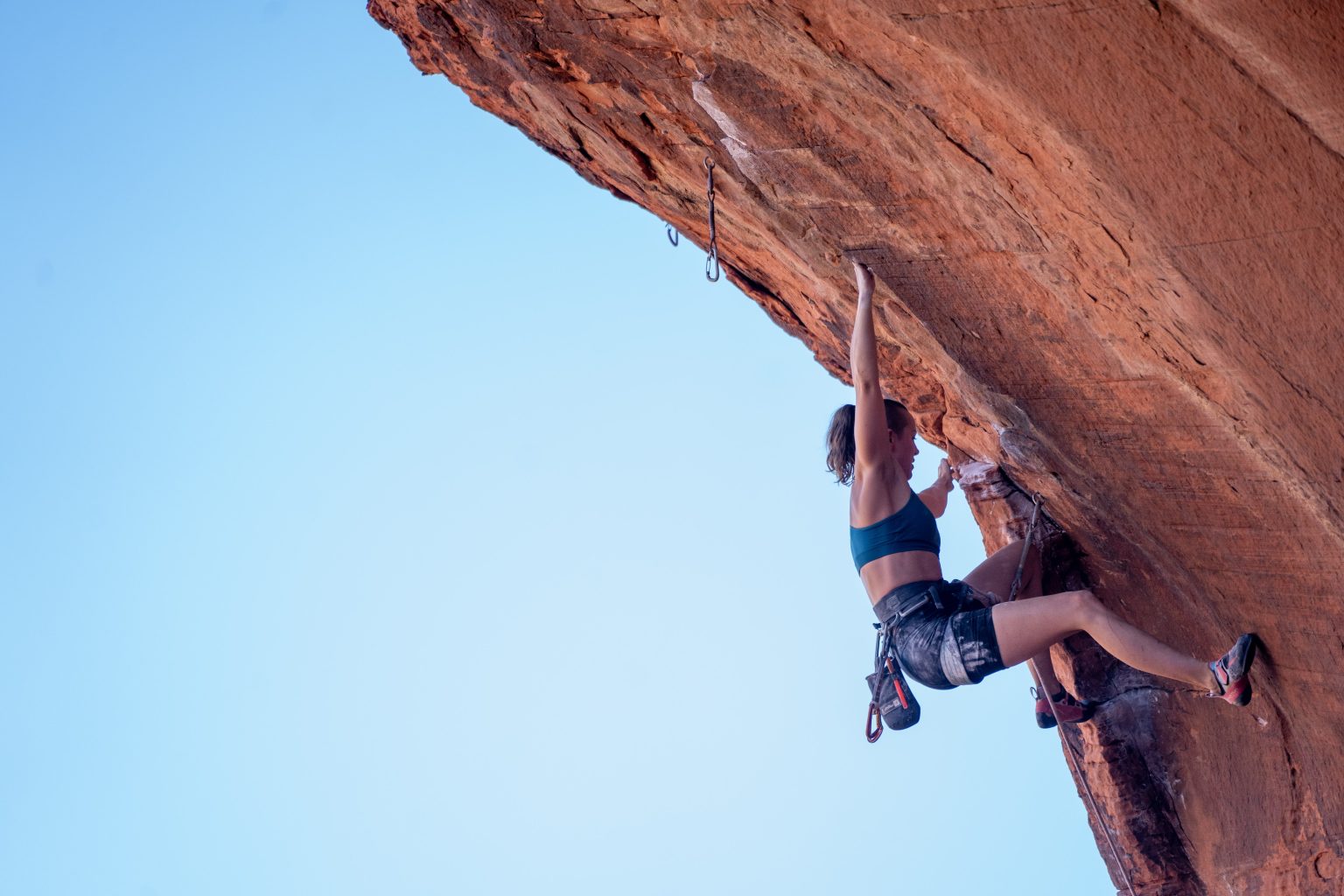
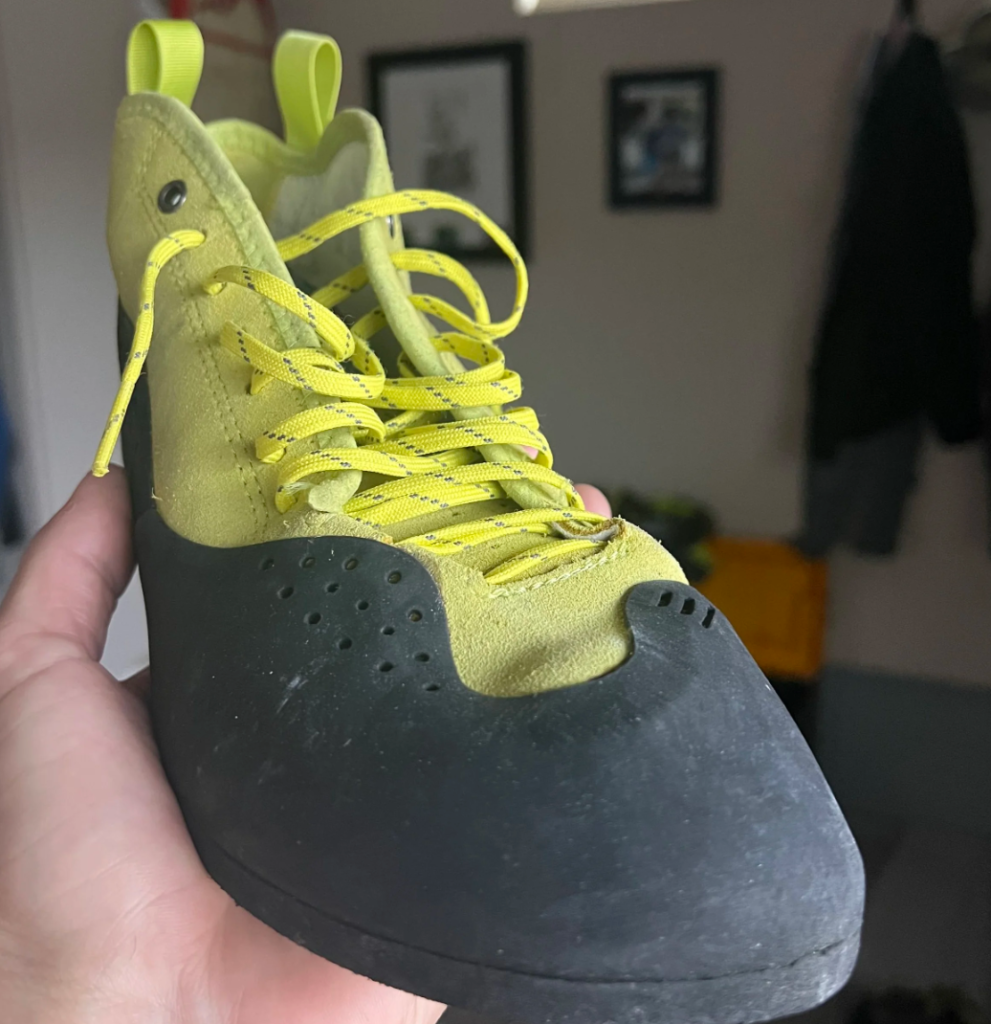
As a climber who’s logged thousands of pitches—from gritty sport routes in Red River Gorge to technical boulders in Bishop—I’ve learned that your climbing shoes are more than just gear; they’re an extension of your feet. A sharp, well-maintained sole can mean the difference between sending a project and slipping off the crux. But here’s the thing: even the best climbing shoes wear out, and knowing when to resole them (instead of buying new ones) is a skill every climber needs. Wait too long, and you’ll risk injury, poor performance, and wasted money. Resole too early, and you’re throwing cash away. Let’s break down the signs, the why, and the how—from someone who’s been there, done that, and resoled more shoes than I can count.
First: Why Resole Instead of Replace?
Before we dive into the signs, let’s talk about why resoling is worth it. Good climbing shoes are an investment—quality pairs can cost $150–$300, and the upper (the part that wraps your foot) often lasts far longer than the sole. The sole is the only part that touches the rock, so it wears down first. Resoling costs a fraction of a new pair (usually $40–$80) and extends the life of your shoes by 6–12 months (or more, if you climb casually). Plus, if you’ve broken in your shoes to fit your foot like a glove—no blisters, no pinching—resoling lets you keep that perfect fit instead of starting over with a new pair. Trust me: I’ve kept my favorite pair of downturned sport shoes going for 3 years with two resoles.
The Top 5 Signs It’s Time to Resole Your Climbing Shoes
Climbing shoe soles are made of rubber—usually Vibram or a brand-specific compound—and they wear down gradually. It’s not always obvious when they’re past their prime, but these 5 signs never lie. I check my shoes after every few climbs, and you should too.
1. The Rubber Is Thin (Below 3mm)
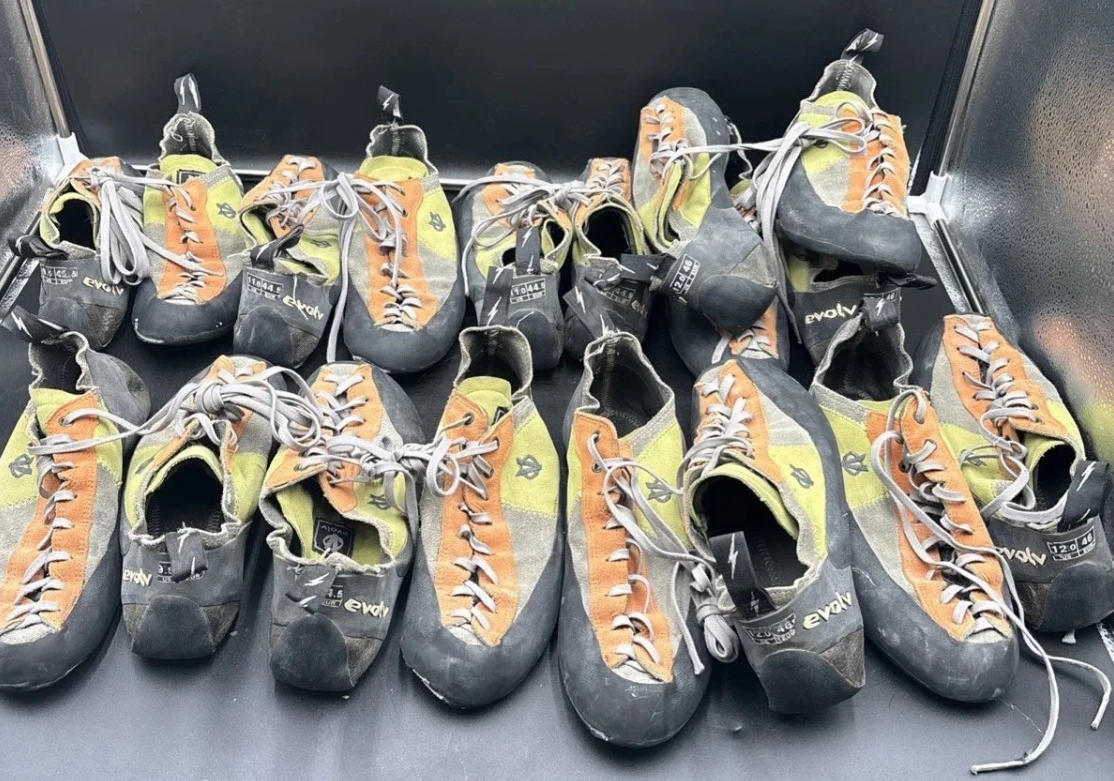
Most climbing shoe soles start at 4–5mm thick (thicker for beginner shoes, thinner for aggressive downturned models). When the sole wears down to 3mm or less, it’s time to resole. Here’s how to check: use a ruler (or your finger, if you’re experienced) to measure the thickness of the sole at the ball of the foot (the area that takes the most pressure). If it’s noticeably thinner than when you bought it, or if you can see the underlying midsole (the foam or fabric layer under the rubber), don’t wait—resole immediately.
Why it matters: Thin rubber loses friction and support. You’ll slip more on footholds, especially on smooth or slopey terrain, and you’ll have less control when edging (standing on the narrow edge of a hold). I once tried to push through a thin sole on a sport route and slipped off a crux foothold—ended up with a sprained ankle. Lesson learned.
2. The Edges Are Worn Down (No More “Sharp” Edge)
The edge of your climbing shoe sole is your best friend for edging. When new, it’s sharp and crisp, letting you stand on the tiniest footholds. As you climb, that edge wears down into a rounded or flat surface. If you look at the sole and the edge is no longer distinct—if it’s smooth and rounded, or if the rubber is worn down to the point where you can’t feel a sharp edge with your finger—it’s time to resole.
Pro tip: Pay extra attention to the toe edge (for downturned shoes) and the heel edge (for heel hooks). These areas wear down faster than the rest of the sole. If your toe edge is rounded, you’ll struggle with toe hooks and precision footwork.
3. You’re Slipping More Than Usual (Even on Easy Terrain)
Performance is the best indicator of sole wear. If you’re suddenly slipping on footholds you used to stand on easily—even on beginner or moderate routes—it’s not you (usually). It’s your shoes. Worn rubber loses its “stickiness” (traction), especially on smooth rock like granite or limestone. You might notice that your feet slide off slopey holds, or that you have to press harder to stay on edges. This isn’t just frustrating—it’s dangerous. Slipping can lead to falls, especially on overhanging routes.
I’ve had days where I thought I was having an off climbing session, only to switch to a new pair of shoes and send the same route first try. Don’t blame yourself—check your soles.
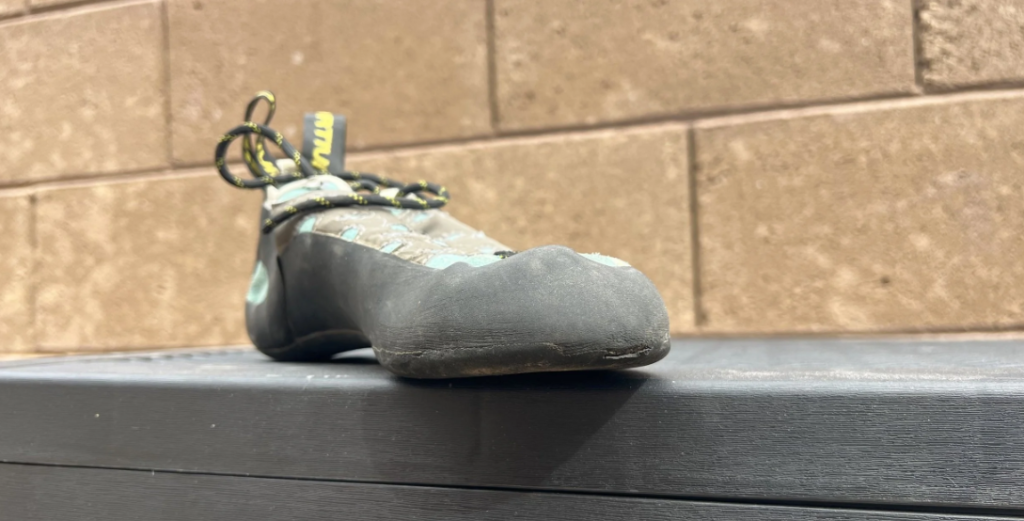
4. The Heel Is Worn Out (Or Slipping)
The heel of your climbing shoe is crucial for heel hooks and for keeping your foot secure in the shoe. If the heel rubber is worn down, or if your heel starts slipping inside the shoe (even when the shoe is laced tight), it’s a clear sign you need a resole. Worn heel rubber also reduces traction for heel hooks—you’ll find yourself struggling to hold onto heel edges, which can ruin your flow on a route.
How to check: Look at the heel rubber—if it’s thin, cracked, or unevenly worn, or if you can see the midsole, it’s time. Also, pay attention to how your foot feels in the shoe: if your heel slips up and down when you walk or climb, the heel rubber is too worn to grip.
5. The Rubber Is Cracked, Dry, or Hard
Climbing shoe rubber is designed to be soft and flexible for traction. Over time, especially if you don’t store your shoes properly (more on that later), the rubber can dry out, crack, or harden. If your sole is cracked, or if it feels hard and rigid (instead of soft and grippy), it’s time to resole. Hardened rubber has almost no traction—you’ll slip on even the easiest footholds.
Pro tip: To prevent rubber from drying out, store your climbing shoes in a cool, dry place (not in a hot car or direct sunlight) and avoid leaving them in a closed bag for long periods. A little rubber conditioner (like Vibram Rubber Care) can help extend the life of the sole, but once it’s cracked or hardened, resoling is the only fix.
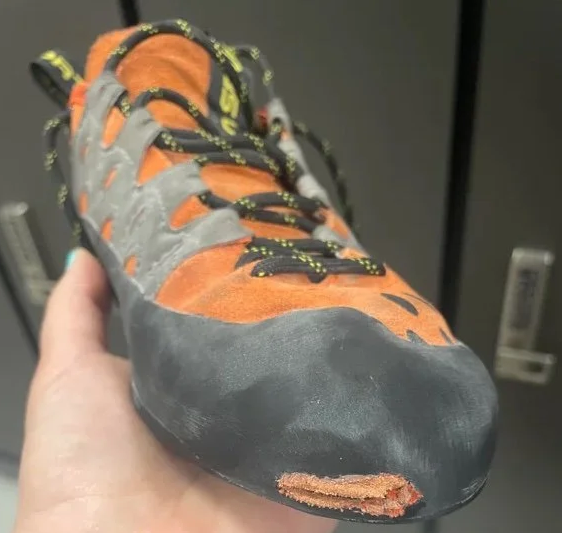
When to Replace Instead of Resole
Resoling is great, but it’s not a magic fix. There are times when your shoes are too far gone to resole, and you need to buy new ones. Here’s when to draw the line:
- The upper is torn, stretched out, or no longer fits your foot (e.g., the toe box is ripped, the laces are broken beyond repair, or the shoe is too loose/tight even after adjusting).
- The midsole is damaged (you can feel or see holes in the midsole, or the shoe has lost its structure and support).
- You’ve already resoled the shoes 2–3 times (the sole can only be replaced so many times before the upper starts to break down).
- The shoe is old (5+ years) and the rubber is permanently hardened or cracked (even a resole won’t bring back the grip).
Pro Tips for Extending the Life of Your Climbing Shoe Soles
Resoling saves money, but taking care of your shoes can make them last even longer. Here are the habits I swear by:
- Take off your climbing shoes when you’re not climbing (don’t walk around the gym or crag in them—this wears down the sole unnecessarily).
- Clean your soles after every climb—wipe off dirt, rock dust, and moisture with a damp cloth. Dirt can wear down the rubber faster.
- Store your shoes properly: cool, dry, and ventilated. Avoid extreme temperatures (hot or cold) and direct sunlight.
- Don’t share your climbing shoes—everyone’s feet are different, and sharing can stretch out the upper and wear down the sole unevenly.
- Choose the right sole for your climbing style: thicker soles (4–5mm) are better for beginner routes and bouldering, while thinner soles (3–4mm) are better for technical sport climbing (but wear down faster).
Final Thoughts from a Pro
Your climbing shoes are your most important piece of gear—treat them well, and they’ll treat you well. Knowing when to resole is about paying attention to the signs, trusting your performance, and not waiting until it’s too late. Resoling isn’t a chore—it’s an investment in your climbing, your safety, and your wallet.
For beginners: Don’t wait until your shoes are completely worn out to resole. The earlier you resole, the longer your shoes will last, and the better you’ll climb. For experienced climbers: You know your shoes best—if something feels off, check the sole. It’s better to resole a little early than to risk a slip or injury.
At the end of the day, climbing is about connection—between you and the rock, and between you and your gear. A well-maintained sole keeps that connection strong. So check your shoes, resole when you need to, and keep climbing.
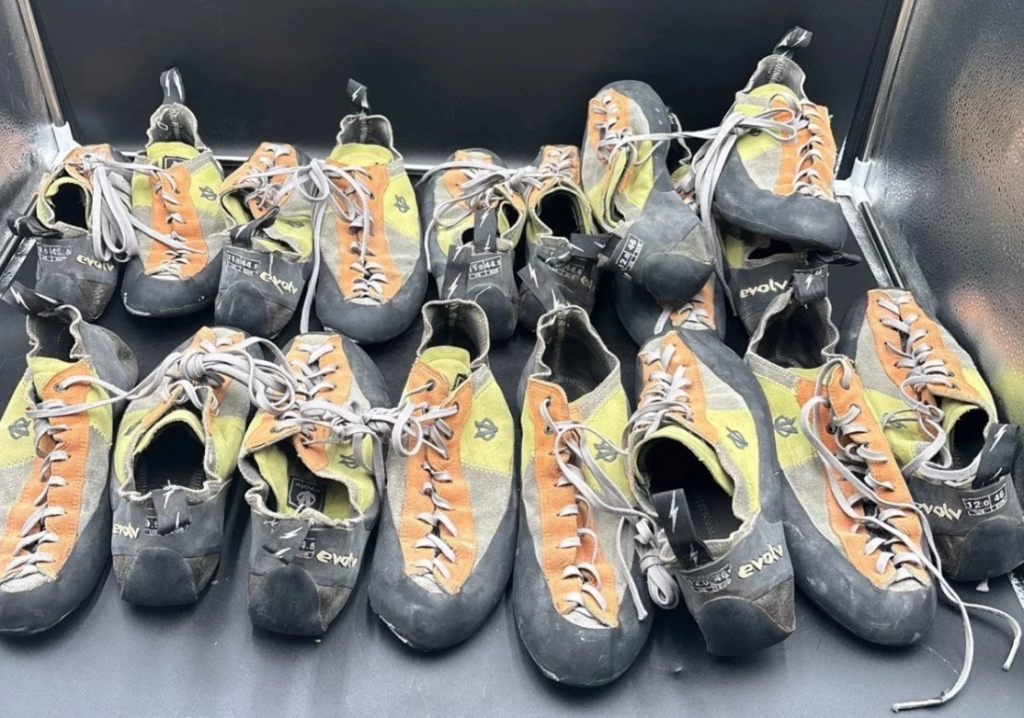
Happy climbing, and keep those soles sharp!