Ice climbing is a thrilling dance with frozen waterfalls, icy cliffs, and winter’s raw beauty — but unlike indoor bouldering, it requires specialized gear to keep you safe, warm, and in control. The cold, slippery terrain demands equipment that’s durable, functional, and designed to handle extreme conditions. Whether you’re gearing up for your first ice climbing trip or looking to refresh your gear list, this blog breaks down the non-negotiable items you need to bring (and why they matter) for a successful day on the ice.
Why Ice Climbing Gear Is Non-Negotiable
Unlike indoor bouldering, where you can get by with just shoes and chalk, ice climbing exposes you to harsh cold, slippery surfaces, and unique risks. Every piece of gear serves a purpose: keeping you warm, helping you grip ice, protecting you from falls, and ensuring you can navigate unpredictable frozen terrain. Cutting corners on gear isn’t just uncomfortable — it can be dangerous. Let’s dive into the essentials, so you can gear up with confidence.
[图片]
Essential Ice Climbing Gear (Must-Have for Every Trip)
We’ve broken down the gear into categories, so you can easily check off your list. These are the items you can’t climb without — no exceptions. We’ll skip the “nice-to-haves” and focus on what keeps you safe and functional on the ice.
- Ice Axes (The Most Critical Tool)
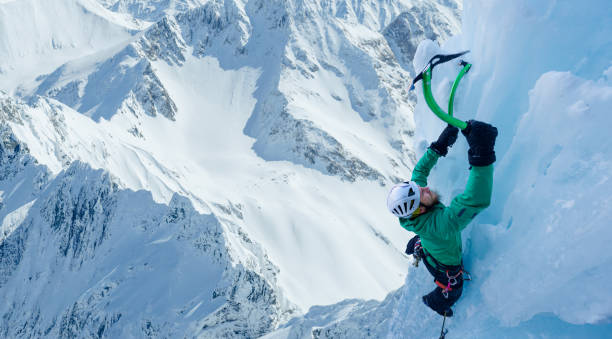
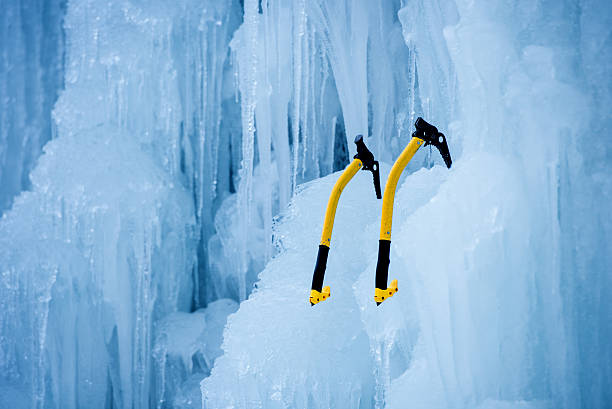
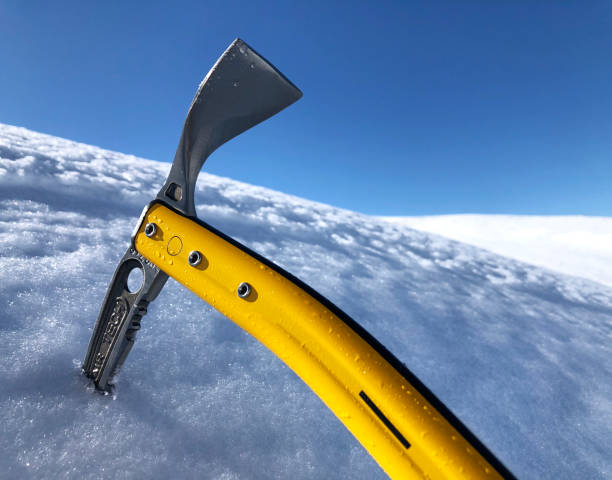
Ice axes are your hands on the ice — they’re how you grip, pull yourself up, and maintain balance. For beginner to intermediate ice climbing, you’ll need two technical ice axes (one for each hand). Look for axes with sharp, durable picks (carbide-tipped is best, as it holds up to hard ice) and a comfortable grip. The length matters too: shorter axes (50-55cm) work best for steep ice, while longer ones (60-65cm) are better for moderate terrain or alpine ice.
Pro tip: Rent axes first if you’re new — they’re a big investment, and you’ll want to test different styles before buying your own.
- Crampons (Your Feet on the Ice)
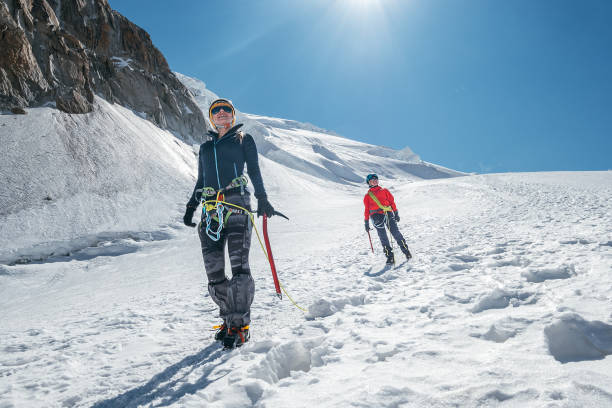
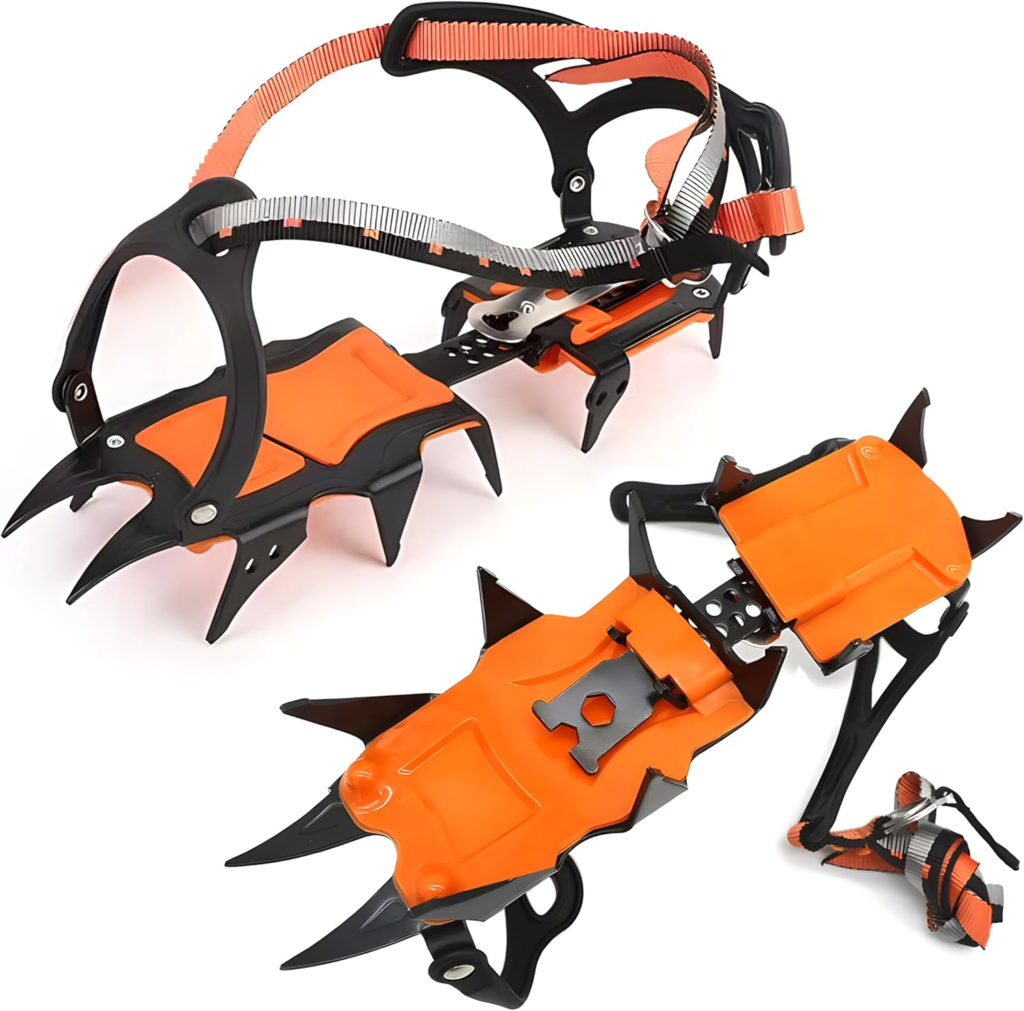
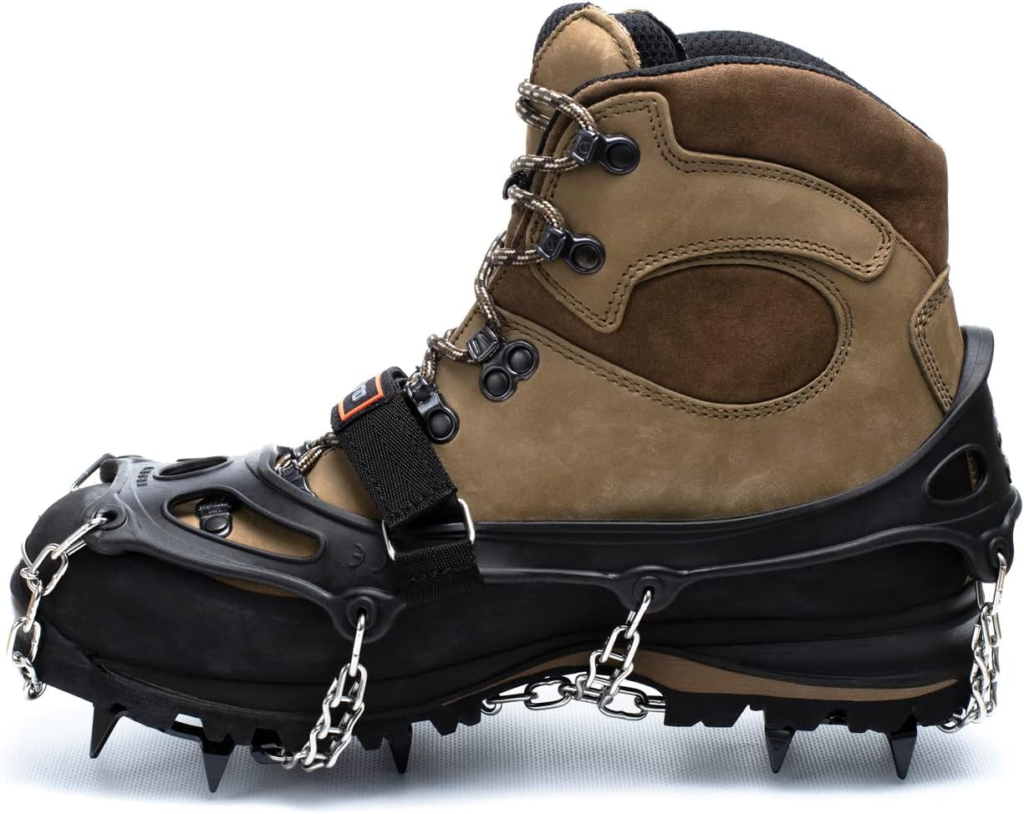
Crampons are metal frames with sharp points that attach to your boots, giving you traction on frozen surfaces. Without them, you’ll slip and slide — making even easy ice routes impossible. For ice climbing, choose 12-point crampons (6 points per foot) with aggressive, sharp teeth that dig into ice. They must be compatible with your ice climbing boots (look for boots labeled “crampon-compatible” — rigid soles are a must).
Important: Always check that your crampons are properly secured to your boots before climbing — a loose crampon is a safety hazard.
- Ice Climbing Boots (Warmth + Support)
Ice climbing boots are not your average winter boots — they’re rigid, insulated, and designed to work with crampons. Look for boots that are: insulated (to keep your feet warm in sub-zero temperatures), rigid-soled (to support crampons and transfer force to the ice), and waterproof (to keep out snow and ice melt). For beginners, mid-height boots work well; advanced climbers may opt for taller, more supportive boots for steep terrain.
- Harness & Screwgate Carabiners
While indoor bouldering skips harnesses, ice climbing requires them for safety (especially for top-rope or lead climbing). Choose a lightweight but durable harness that fits snugly (not too tight!) and has enough gear loops to carry your axes, chalk, and other small items. Pair it with screwgate carabiners — these lock closed, preventing accidental opening when rubbing against ice or rope, which is critical for safety on frozen terrain.
- Chalk & Chalk Bag (Dry Hands = Better Grip)
Cold weather can make your hands sweaty (yes, really!) or damp from snow — and damp hands slip on ice axes. A small chalk bag filled with climbing chalk (magnesium carbonate) keeps your hands dry and improves your grip on the axes. Look for a chalk bag with a drawstring to keep chalk from spilling, and attach it to your harness for easy access.
- Insulated, Waterproof Clothing (Stay Warm & Dry)
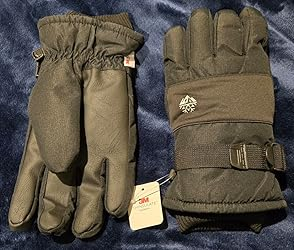
Ice climbing means spending hours in cold, windy conditions — so clothing is just as important as your technical gear. Opt forlayered clothing: a moisture-wicking base layer (to keep sweat away from your skin), an insulating mid-layer (fleece or down), and a waterproof, windproof outer layer (a hard shell jacket and pants). Don’t forget gloves (insulated, waterproof, and compatible with ice axes) and a warm hat — most body heat is lost through your head!
Bonus: Gear Pro Tips for Beginners
- Rent First, Buy Later: Technical gear (axes, boots, crampons) is expensive. Rent for your first few trips to figure out what you like before investing.
- Check Gear Before Each Trip: Inspect your axes (sharp picks?), crampons (secure points?), and boots (waterproof?) — worn or damaged gear is unsafe.
- Don’t Overpack: Ice climbing requires carrying gear, so keep it lightweight. Focus on the essentials — you don’t need extra gear weighing you down.