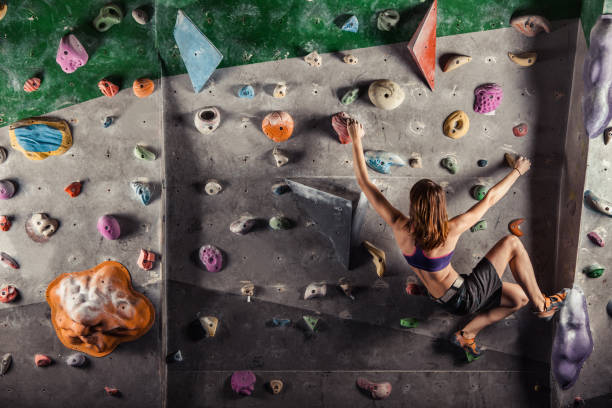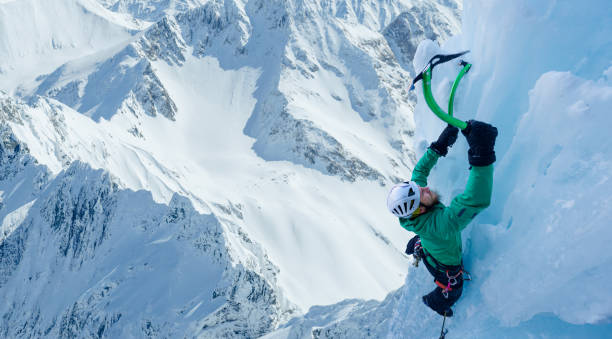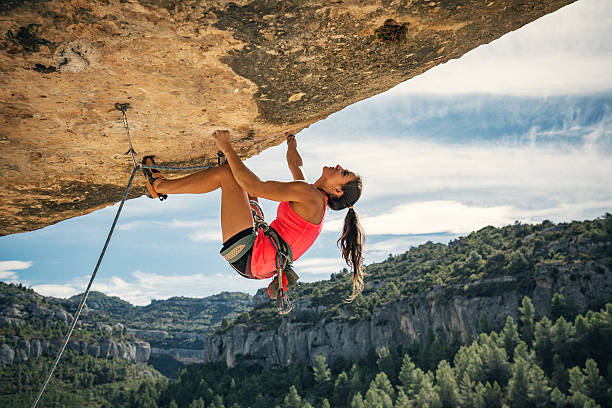
nspired by natural rock walls, climbing gyms are purposeful movement playgrounds with endless opportunities to shape your experience, from training hard to connecting with your community.
We’re going to dive deep into bouldering walls here, but before we do, let’s unpack what makes bouldering its own branch of climbing.
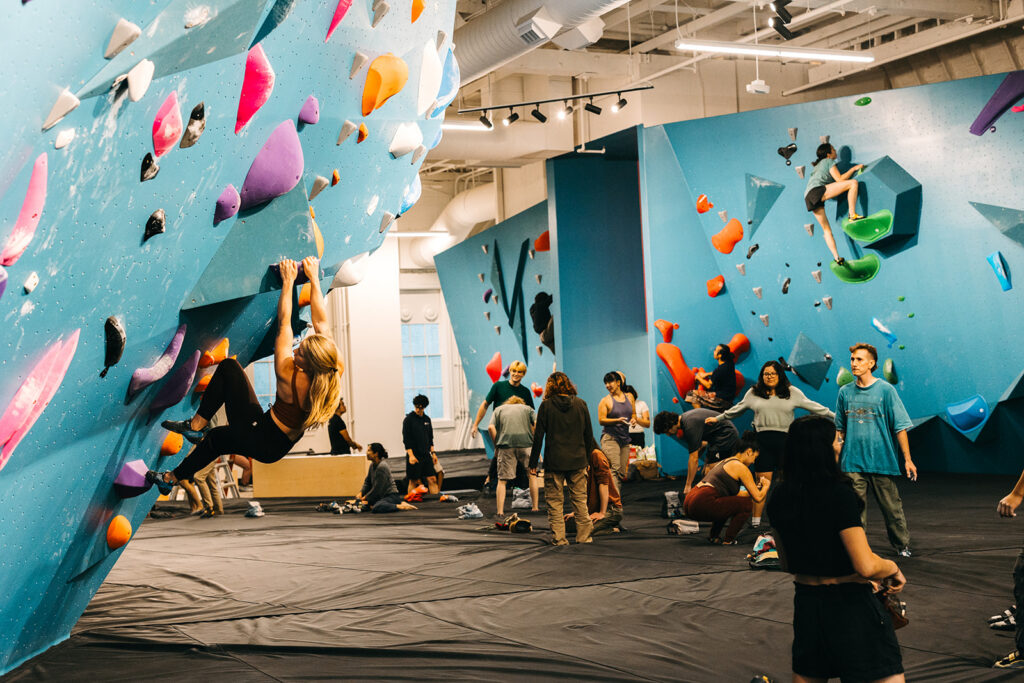
The 2 Main Types of Gym Climbing
Roped climbing: Significantly tall climbing walls requiring gear to catch falls, usually 30-60 feet in height depending on the building. A climber ties into a rope, while a belayer manages the rope system. The rope runs through points of protection on the wall. If the climber falls, the belayer and rope system catches them in the air.
Bouldering: Shorter walls typically reaching 10-15 feet in height. Thick cushioned mats cover the surrounding ground, so ropes are not needed. Bouldering maintains its challenge through powerful, precise, and tricky movement.
It Starts With Wall Construction:
Bouldering Project constructs our own climbing walls (which is unusual – most climbing gyms buy prefabricated walls), designing a varied climbing experience through four common climbing wall angles:
- Vertical: Relatively straight up and down, climbers utilize strength and technique abilities.
- Overhang: Leans at an angle steeper than vertical, adds an increased need for body tension and power.
- Roof: Steepest wall angle, often nearing horizontal – calls for controlled core strength and increased pulling footwork.
- Slab: Gentle angle that leans slightly away, taps into balance and precise footwork.