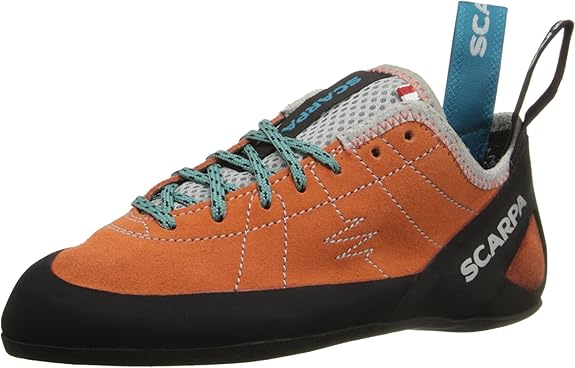
1. Climbing shoes
Better grip
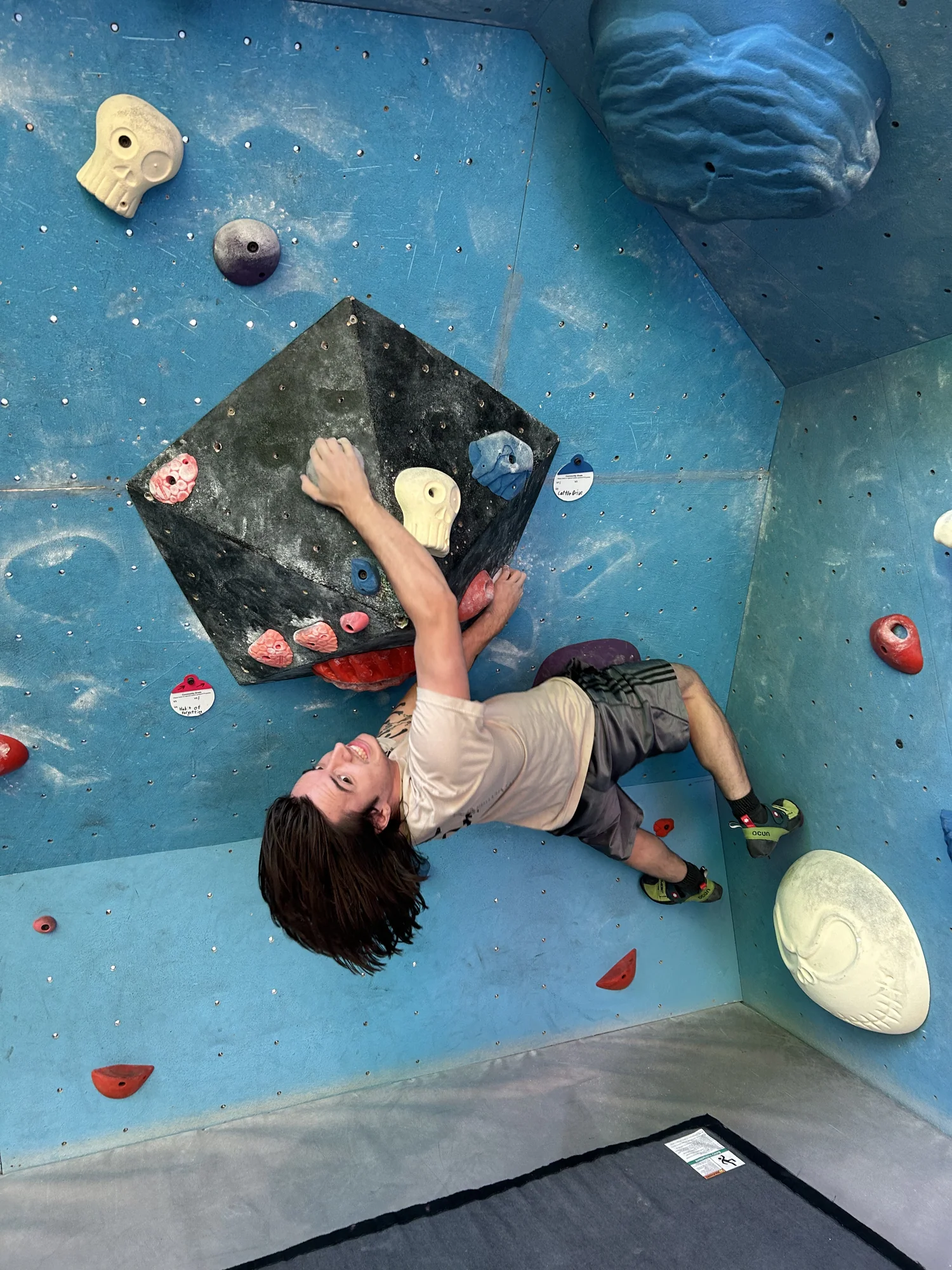
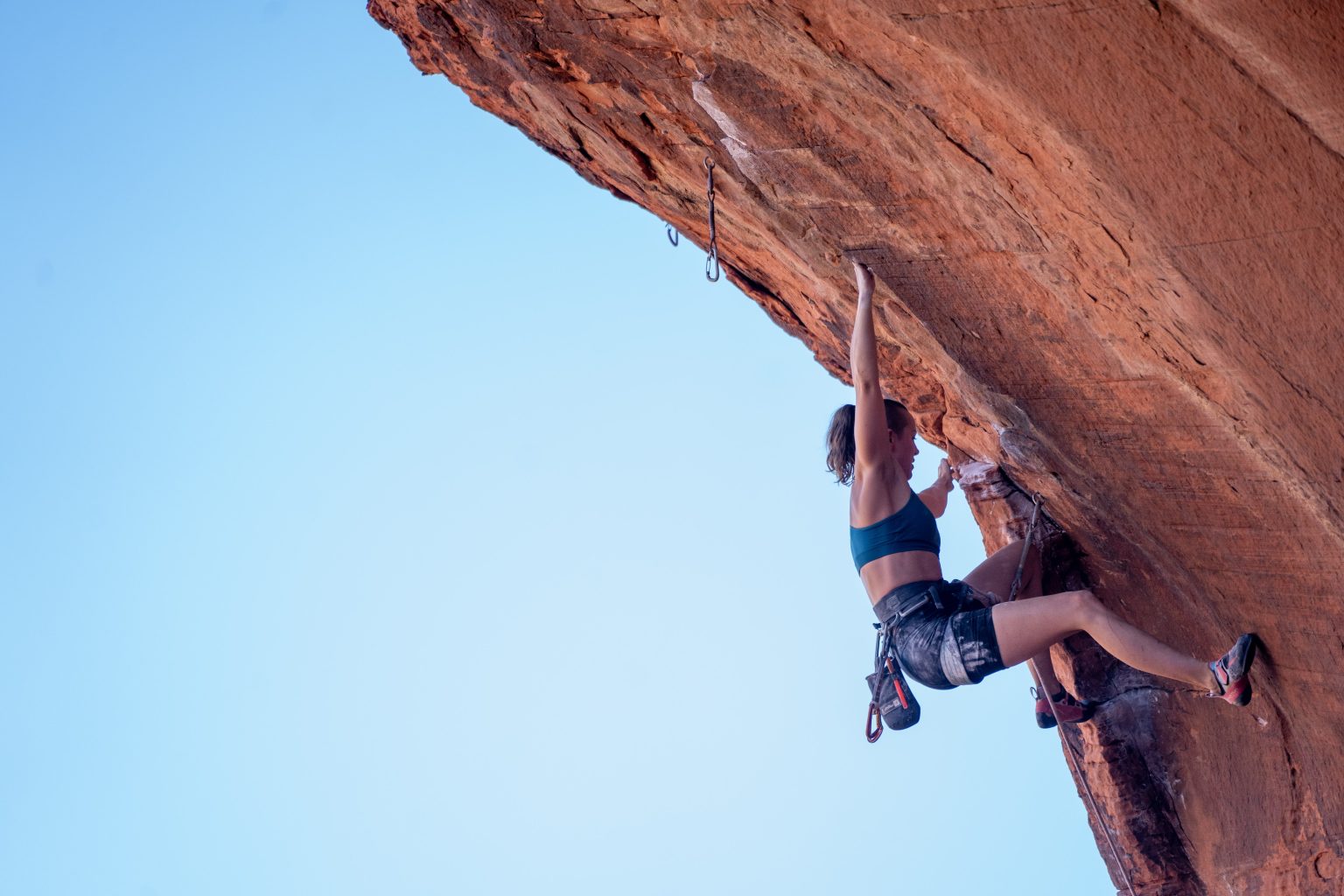
Climbing shoes have sticky rubber soles that provide far more friction than regular shoes, helping you stand on small holds and edges.
Improved foot sensitivity
They fit tightly so you can feel the rock clearly, making precise foot movements easier.
Increased performance and safety
A proper fit supports your feet, reduces slipping, and helps you climb more efficiently and safely.
Protect your feet
They shield your toes and feet from sharp rock, rough surfaces, and injury while climbing.
Standard climbing equipment
Climbing shoes are essential gear for both indoor and outdoor climbing—you can’t climb properly or safely without them.
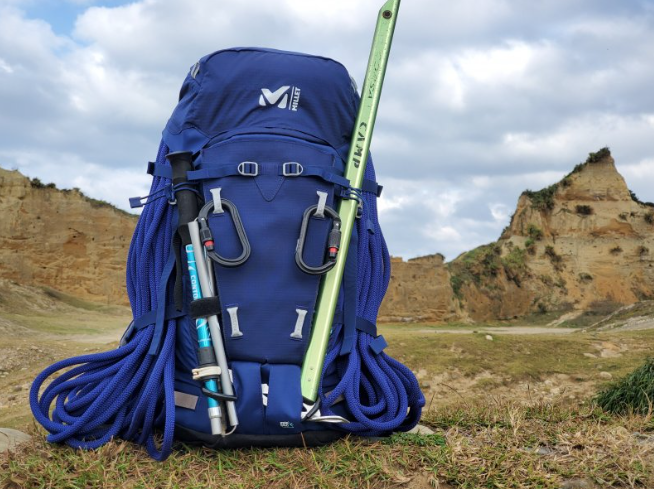
2.A Rucksack
Carry all your gear safelyA rucksack holds your climbing shoes, harness, chalk bag, water, snacks, first-aid kit and other essentials in one place.
Keep hands free for climbingIt lets you keep your hands empty and safe for gripping holds, balancing and clipping quickdraws.
Protect personal itemsKeeps your phone, wallet, keys and clothes away from dirt, dust and damage at the crag.
Convenient for walking to climbing areasMost outdoor crags require hiking; a rucksack distributes weight comfortably on your back.
Organize equipmentHelps you separate and find gear quickly, so you waste less time preparing to climb.ess.
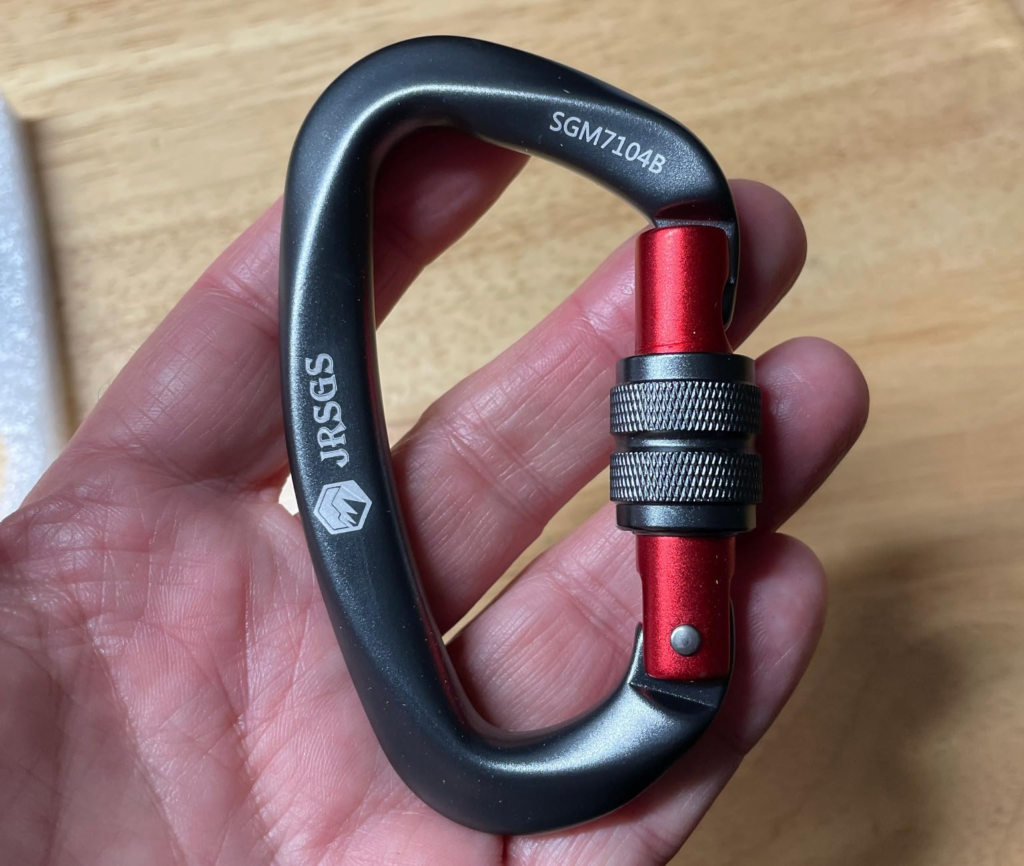
3. Screwgate Carabiners
Higher safety
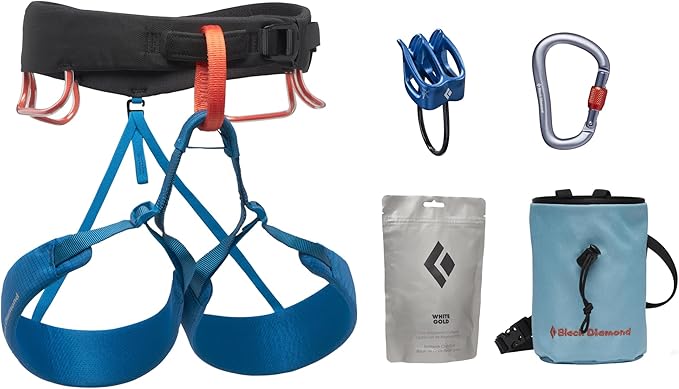
Screwgate carabiners lock closed, so they cannot open accidentally when rubbing against the rock or rope.
Prevent unclipping
They avoid sudden opening due to vibration, impact or pressure, which reduces the risk of falling.
Essential for belaying & anchoring
They are the standard safe choice for belay devices, anchors, and top-rope setups.
Secure multi-pitch climbing
In long routes, they keep critical connections locked and reliable.
Strong and durable
They withstand heavy loads and are designed for repeated climbing use.
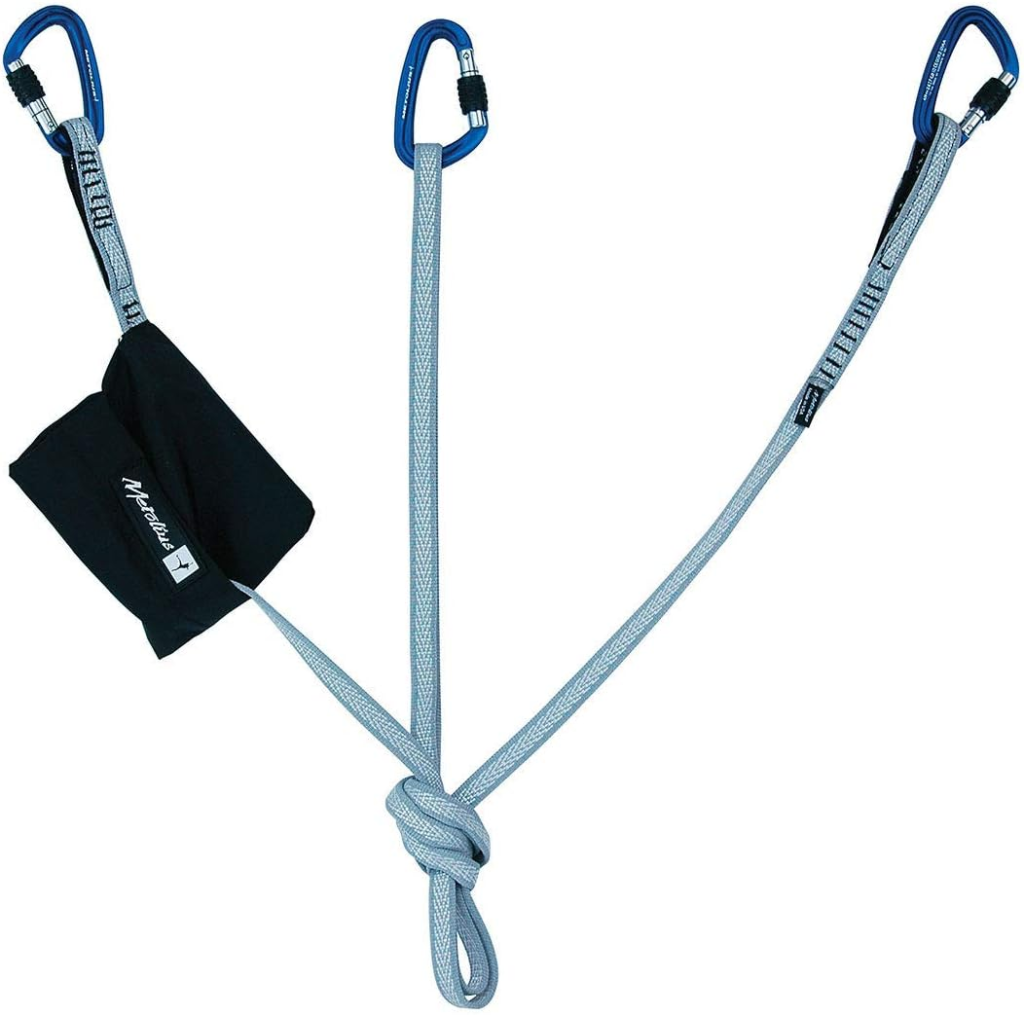
4. Long Slings
Reduce rope drag
Long slings keep the rope away from the rock, so it runs more smoothly and doesn’t get caught or pulled sideways.
Extend quickdraws or anchors
They help extend protection points to keep the rope in a straight, safe line.
Build safe anchors
Essential for making equalised, stable anchors using trees, bolts or rocks.
Improve safety on multi-pitch routes
Help reduce rope friction and keep the system stable during long climbs.
Versatile use
Can be used for clipping, extending gear, attaching gear to your harness, or sharing loads.
5. Food and water
Maintain Energy Levels and Avoid Hypoglycemia
Rock climbing is a high-intensity, full-body activity that is physically demanding and can lead to fatigue. Timely energy replenishment helps maintain strength and focus, preventing mistakes or dangerous situations caused by exhaustion or shaky hands.
Stay Hydrated to Prevent Dehydration
Heavy sweating can lead to rapid dehydration, which affects endurance, judgment, and muscle control. In severe cases, it can cause cramps and dizziness, posing a safety risk.